Column · @dominickdkiz479
Heritage Roof Repairs: Preserving Character in Gosnells
The City of Gosnells boasts a rich architectural timeline, featuring Federation bungalows, early settler cottages, and mid-century homesteads that reflect the region’s agricultural and suburban heritage. Preserving these historic rooflines requires a delicate balance between retaining period-accurate craftsmanship and incorporating modern structural durability to withstand Western Australia’s demanding climate.

Unique Challenges of Heritage Roofing in the Gosnells Area
Gosnells experiences extreme weather conditions, ranging from intense summer heatwaves with high UV exposure to severe winter storm fronts sweeping across the Darling Scarp. Over decades, these environmental factors place distinct stresses on older roofing systems.
Traditional roofs in the area predominantly feature early corrugated iron profiles, timber shingles beneath retrofitted sheets, or original terracotta and early concrete tiles. Common vulnerabilities include:
- Mortar Bedding Deterioration: Lime-based bedding under ridge caps naturally degrades over decades, leading to displaced tiles and moisture penetration.
- Oxidation and Metal Fatigue: Older galvanised sheeting lacks modern protective coatings, resulting in rust development around fixings, valley gutters, and eaves.
- Timber Substructure Movement: Historic jarrah rafters and battens can sag or split under shifted weight, causing uneven roof planes.
- Lead Flashing Failure: Traditional lead aprons around chimneys and parapets can crack or lift due to repeated thermal expansion cycles.
Heritage Compliance and Material Matching
Carrying out roof repairs on character properties in Gosnells requires careful adherence to local planning guidelines. Under the City of Gosnells Local Planning Scheme and heritage inventory standards, alterations to character properties must preserve the aesthetic contribution the building makes to the streetscape.
When restoring historic roofs, sourcing compatible materials is vital. Substituting period elements with inappropriate modern profiles can compromise both the architectural value and structural ventilation of the home. Heritage restoration specialists utilise accurate profile iron—such as traditional corrugated profiles—or salvaged, matched terracotta tiles to preserve historical continuity while meeting the standards required in 2026.
Best Practices for Restoring Heritage Roofs
Preserving a heritage roof does not mean avoiding modern performance enhancements. Today's conservation methodologies blend traditional artisanship with durable building science to deliver long-term protection without altering https://chanceuhcd048.huicopper.com/what-makes-a-roofing-quote-clear-fair-and-easy-to-compare appearance.
Repointing with Flexible Compounds
Historically, ridge caps were secured using rigid sand and cement mixtures. Modern heritage repairs employ flexible pointing compounds that are custom-tinted to match historic lime mortar. These compounds absorb natural building movement caused by reactive clay soils common in parts of Gosnells, preventing cracks and displacement.
Concealed Performance Upgrades
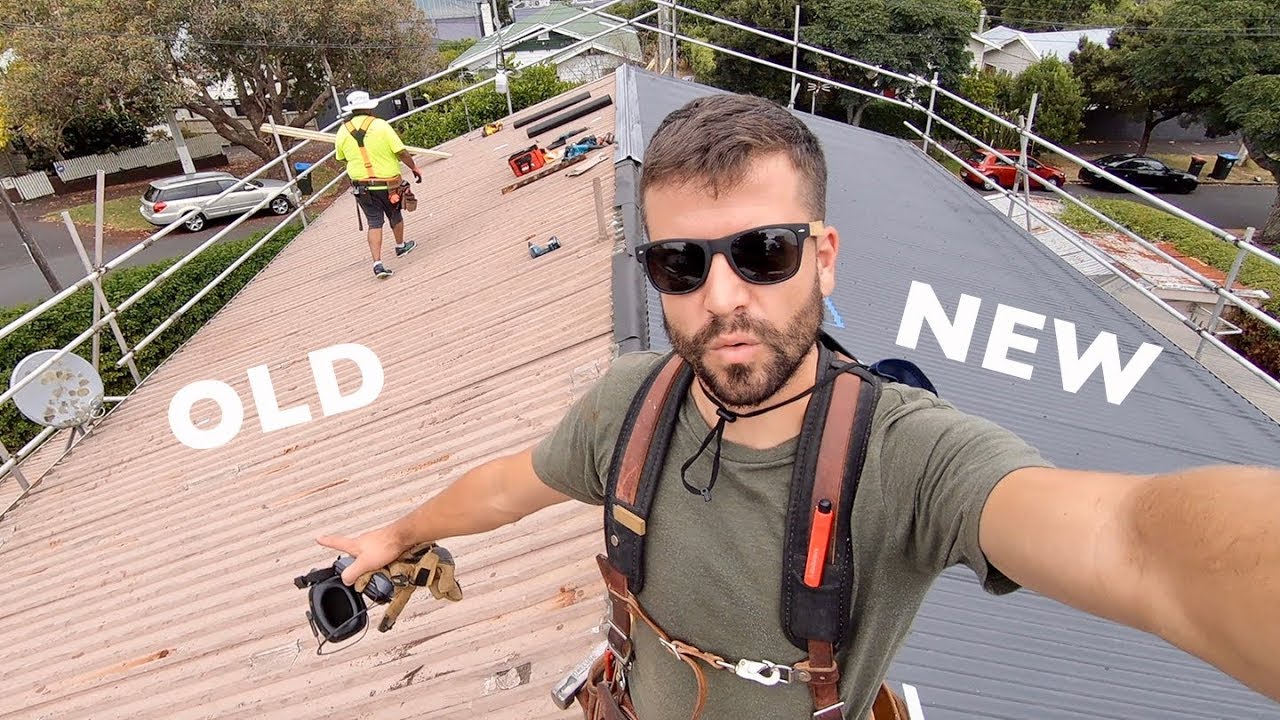
While maintaining period profiles on the exterior, repair work offers an opportunity to introduce modern concealed elements. Installing heavy-duty, breathable sarking membranes beneath battens prevents condensation damage to vintage timber framing. High-performance, concealed thermal insulation can also be integrated into roof cavities to significantly boost energy efficiency without altering the external sightlines of the building.
Signs Your Gosnells Heritage Property Needs Immediate Attention
Proactive intervention prevents localized roof decay from escalating into severe timber damage or internal ceiling collapse. Heritage property owners should arrange a specialized roof inspection upon observing any of the following indicators:
- Visible sagging or wave patterns along the ridge lines or roof planes.
- Powdery or crumbling mortar accumulating in valley gutters or around the perimeter of the home.
- Corrosion staining along fixings, valleys, or downpipe junctions.
- Damp staining or plaster degradation on decorative lath-and-plaster ceilings inside the property.
Maintaining a heritage roof in Gosnells preserves local history while protecting substantial property value. Engaging licensed tradespeople trained in historical preservation ensures that all repair works respect original architectural intent, adhere to council planning requirements, and provide structural protection for decades ahead.
Gosnells Roof Restoration
WA, 6110
(08) 6109 9623